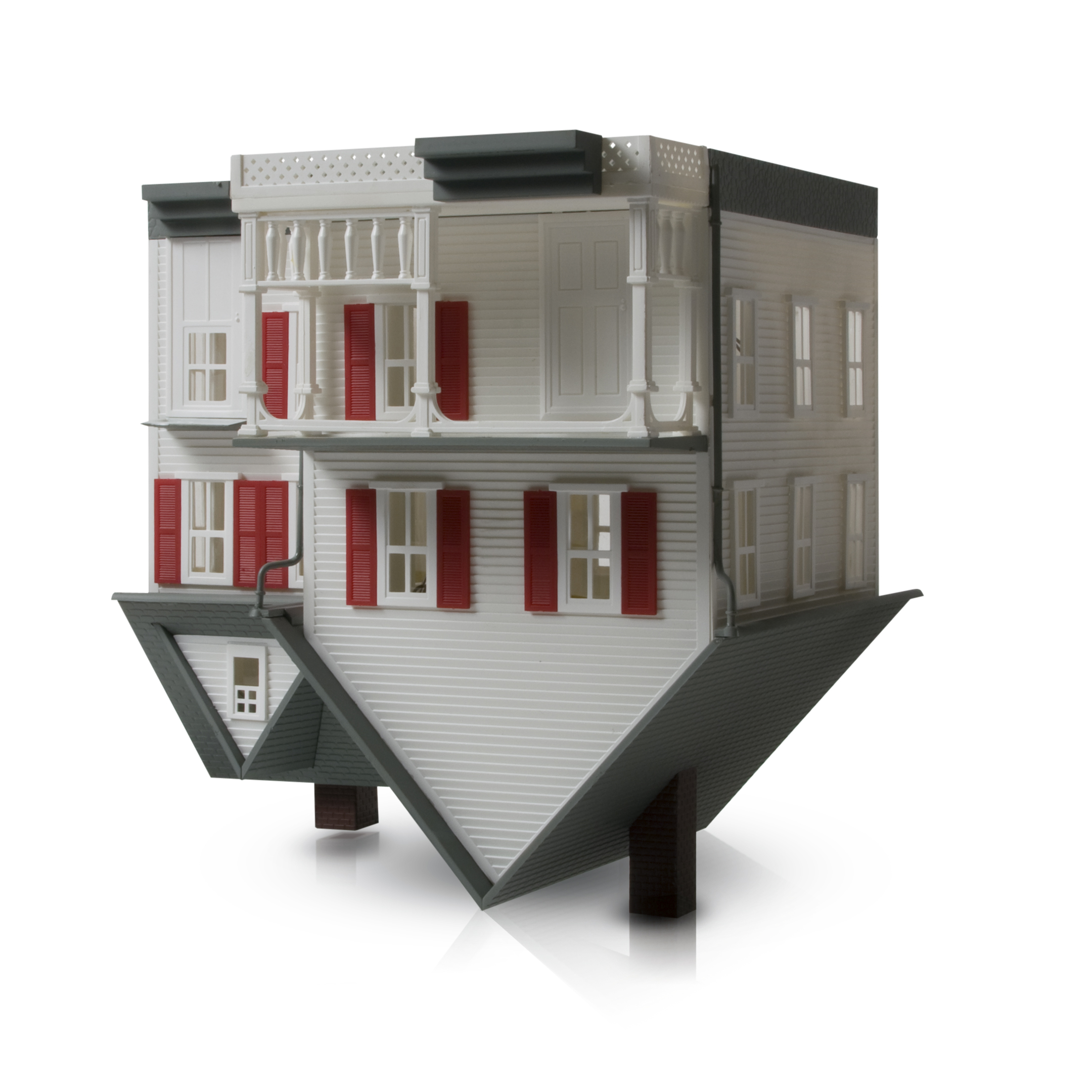
 As you can probably tell from other posts on my blog, I’m a huge fan of buying undervalued homes in need of rehabbing, fixing them up, and flipping them for profit. I'm often asked about the criteria I look for in choosing a great fixer-upper property. I’ll begin by covering the kinds of properties to stay away from.
Savvy investors strictly adhere to the old adage that you make money in real estate investing when you purchase the property, not when you sell it. What exactly does this mean? It means that you purchase properties at a discount, which gives you a built-in profit margin when you sell. The less you spend rehabbing a property, the greater your profit margin will be. This usually means that the homes that are available to purchase at a discount will need to be renovated.
What does this mean for the casual investor, or savvy home buyer who wants to buy an undervalued property and flip it, but doesn’t necessarily want to learn the intricacies of doing this as a full time business? It means that you need to choose properties that are cosmetic fixer-uppers, in need of minor repairs and renovations that aren’t particularly expensive or elaborate.
When you start looking for great fixer-upper deals, it can be hard not to be lured by the siren song of a seeming impossibly low price tag. A good listing agent for the seller will have priced the property that low for reason, and upon further investigation, you might find that such a property is in need of major infrastructural work, such as repairing a foundation. Or perhaps the home needs a new HVAC, electrical panel or plumbing. In other words, it’s important not to get so zealous in your search for a good deal that you risk losing your shirt in the deal.
Major investors are usually interested in greater profit margins, so they’re out there looking for homes they can buy at deep discounts, even if the homes require lots of work. These investors typically work with the same contractors over and over again, so they have finely tuned systems in place for assessing risk for each property they consider buying. If you’re a casual investor, it’s important to remember that if you actually consider buying a home that requires a ton of work, not only are you probably not familiar with how to tackle all of the repairs it needs, but you’re also competing against buyers who are major players in the investment property world, and these buyers will be very savvy and well educated regarding the entire process.
Overall, it’s much safer for the casual investor to look at unattractive homes that require a relatively minor amount of work to make them market ready. Getting a modest discount on a cosmetic fixer upper can be more than sufficient to allow you to flip it for a nice profit. You have to remember that the vast majority of home buyers want a move-in-ready home, so they’re not interested in looking at homes that require new paint, carpet or countertops, etc. You’d be amazed at how quickly buyers are turned off by things as “easy to fix” as a bad paint color in the living room. So, the good news is, when you’re in the market for this type of home and are willing to put in a little work, you face much less competition from other buyers.
Possibly the most important thing to remember when it comes to flipping a home is to remember that this isn’t your dream home, so watch your costs. While buyers vastly prefer move-in ready homes, they don’t necessarily need the home to be the ritziest, most updated on the block. So, if you will be selling the home anytime soon, don’t get carried away with buying the most expensive, top tier, designer materials. Choose key upgrades that are important, and decide where the most money should be spent. Maybe you want to make sure that the kitchen countertops really pop, so you get the mid or higher-level granite (or other stone) instead of the bargain materials. Good decision. Just make sure you don’t get carried away in the bathroom and spring for the $7,000 custom bathroom vanity as well, when you can get a very nice vanity at your local home improvement store for $300-$600.
Another good idea is to ask yourself, “Does it really need it?” If you’re already spending money getting nice materials for the kitchen counters or flooring, do you really have to replace the cabinets? Perhaps resurfacing would be a better option; or even consider painting them and replacing the hardware and handles. The important thing is to pinpoint the key features and upgrades you think will make the most impact, and save money on less important upgrades.
Now, just repeat after me: “Are there too many serious problems?” “This is not my dream home.” “Does it really need it?” Now, go have fun finding a fixer-upper, and remember that your willingness to put in a little work will mean you have a lot less competition, and a much better chance of getting a bargain.
If you own a home in Northern Virginia and you’re considering selling it, give me a call at 703-462-0700 and ask me for a free comparative market analysis. This will give you good idea of how much your Northern Virginia home is worth.
If you’re in the market for a home in Northern Virginia, contact me so I can go to work for you. I grew up in the area and know the Northern Virginia real estate market very well.